Sleeping Well for Under $60: A Practical Guide to Budget Hotels
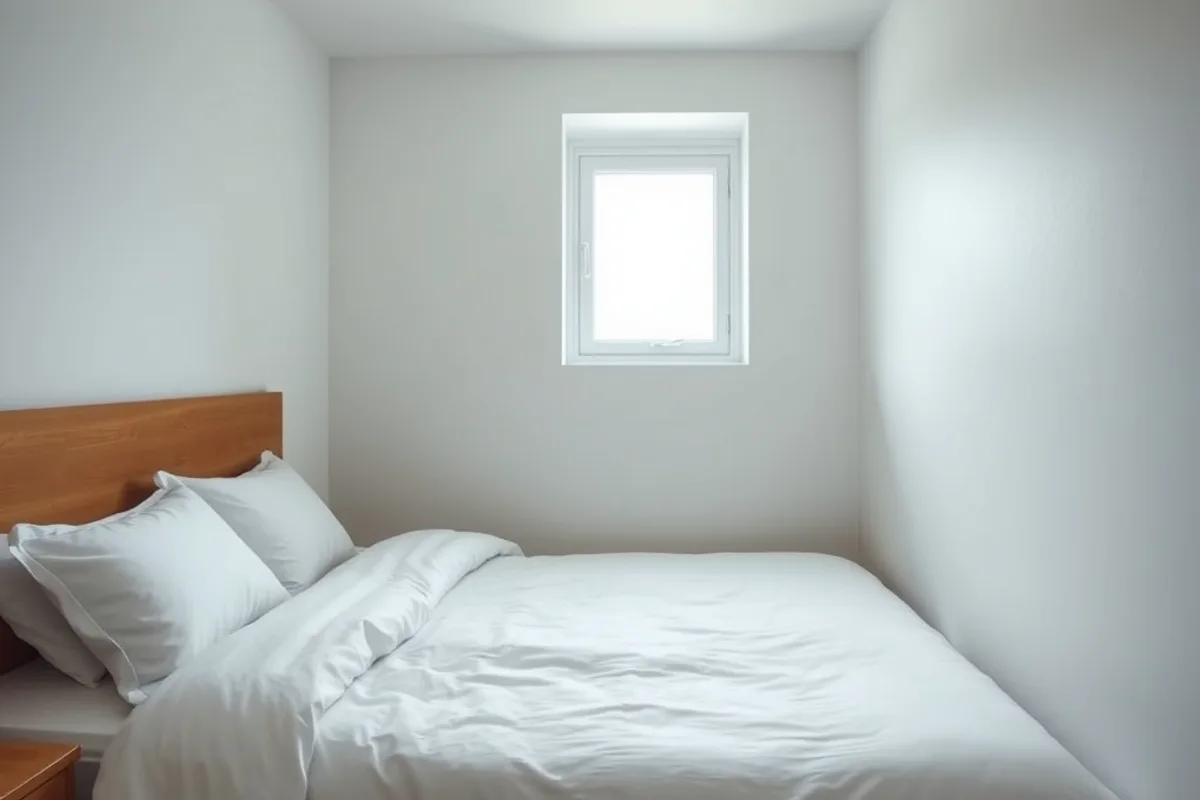
A cheap room is only a bargain if you sleep. These are the checks that separate a simple budget hotel from a night you will regret.
Budget accommodation is a category, not a quality level. Sixty dollars buys a clean private room with a private bathroom in some cities, a shared bathroom in others, and very little in a handful of expensive ones. The trick is to know which trade-offs you can live with.
For most travellers, the non-negotiables are cleanliness, a quiet night and a safe location. Everything else — breakfast, a lobby, a view — is optional. Spend your research time on the first three.
What $60 actually buys
In most mid-priced European and Asian cities, $60 gets a simple private room in a family-run hotel or a chain budget property on the outskirts. In capital cities, it may get a hostel private room or a small apartment. In expensive cities, it buys a bed in a dormitory.
Location is the main variable. A room 20 minutes by metro from the centre often costs half as much as the same room in the centre. If you are travelling for a week, that saving can fund a nicer dinner or a day trip. If you are travelling for one night, pay for the central room.
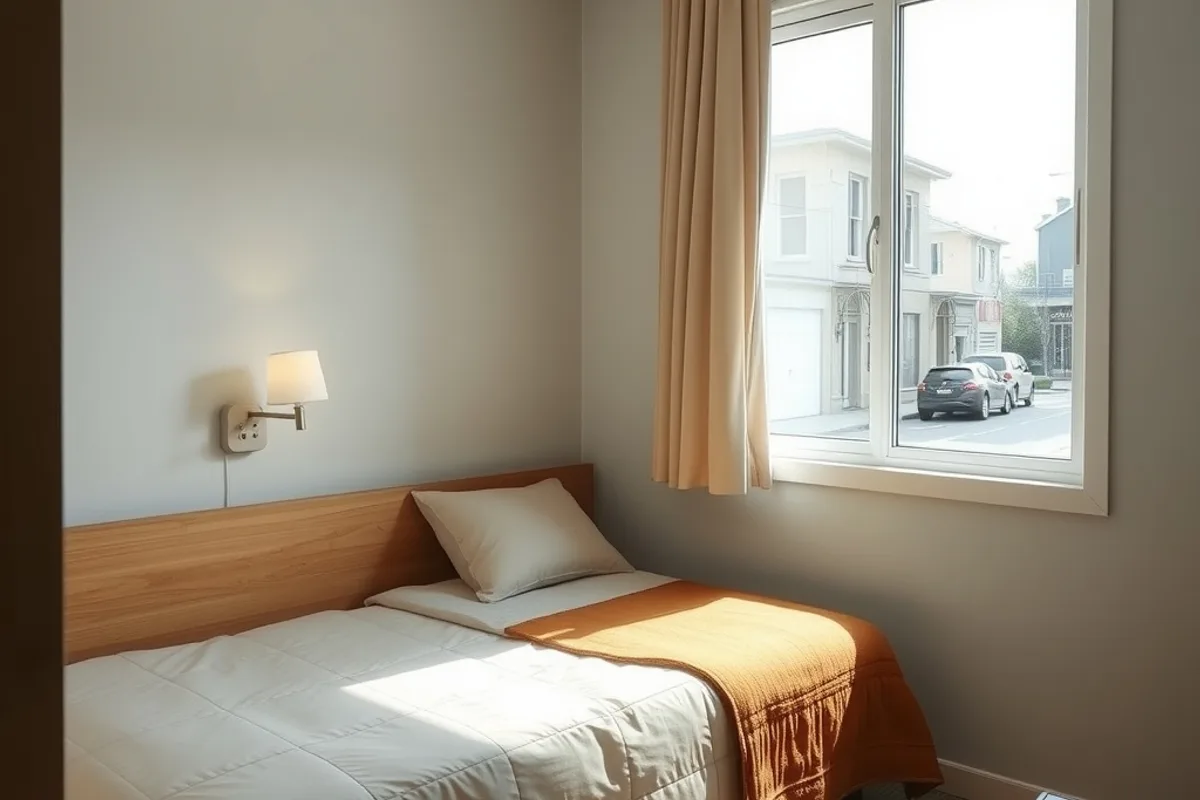
Reading reviews properly
Ignore the overall score for a moment and read the most recent negative reviews. Look for patterns: noise, smell, mold, unsafe neighbourhoods, staff who ignore problems. One bad review is an outlier; five similar complaints are a warning.
Search reviews for words like thin walls, street noise, construction, hot water, wifi and bed bugs. Then read the hotel's responses. A manager who replies with a specific fix is a better sign than one who replies with a generic apology.
The five checks before booking
- Private bathroom? Confirm it is ensuite, not merely private down the hall.
- Window? Some budget rooms have none. Check the room description and reviews.
- Noise source? Bars, tram lines, churches and construction sites are common culprits.
- Check-in hours? A cheap room with a 3 p.m. check-in and no luggage storage can cost you a day.
- Cancellation policy? Flexible rates are worth a small premium on a budget trip.
If a deal looks far below the local market, find out why before you pay. The answer is usually location, noise or a shared bathroom.
Hostel, hotel or apartment?
A hostel private room can be excellent value: you get privacy plus a kitchen and social space. The downside is noise from dorms and shared bathrooms. A budget hotel offers more predictability but fewer facilities. An apartment is best for stays of three nights or more, especially if you want breakfast and laundry.
Check the total cost, including cleaning fees and city taxes. Short-stay apartment fees can turn a $50 listing into an $80 night. Also confirm that the property is legally registered; unlicensed rentals can be cancelled at short notice.
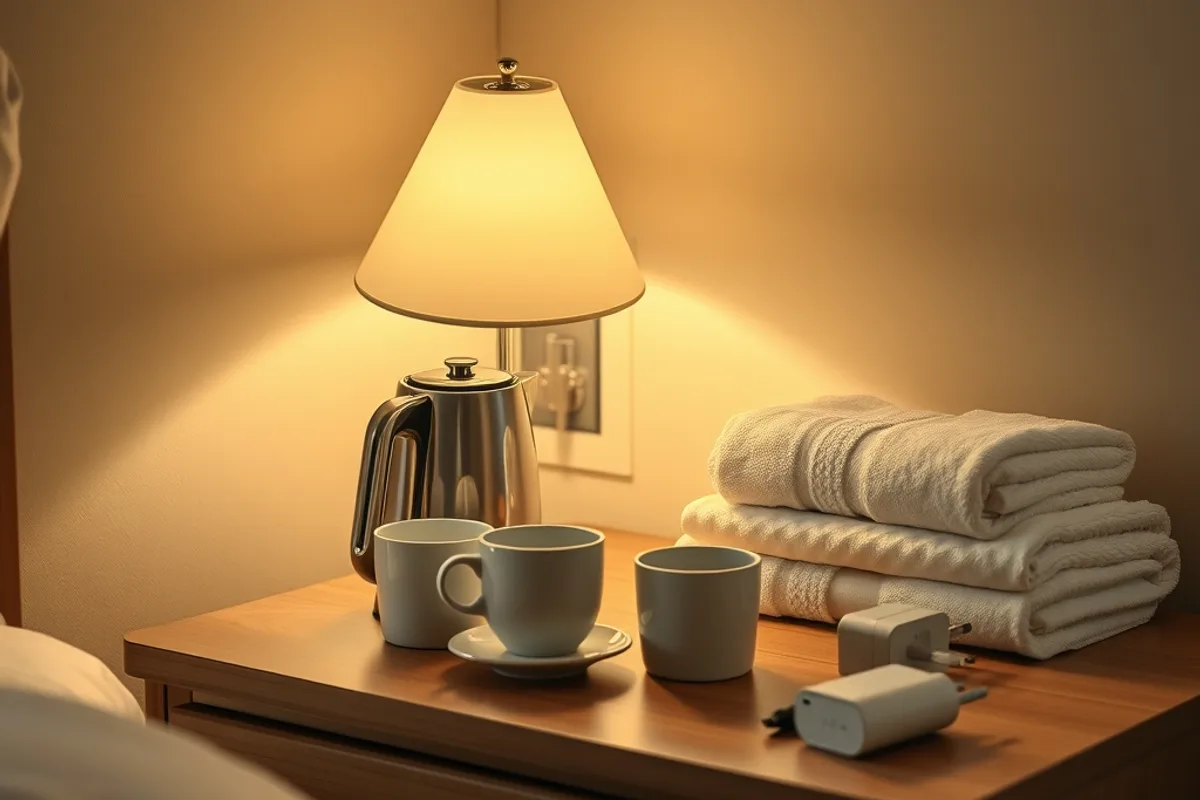
A small sleep kit that helps
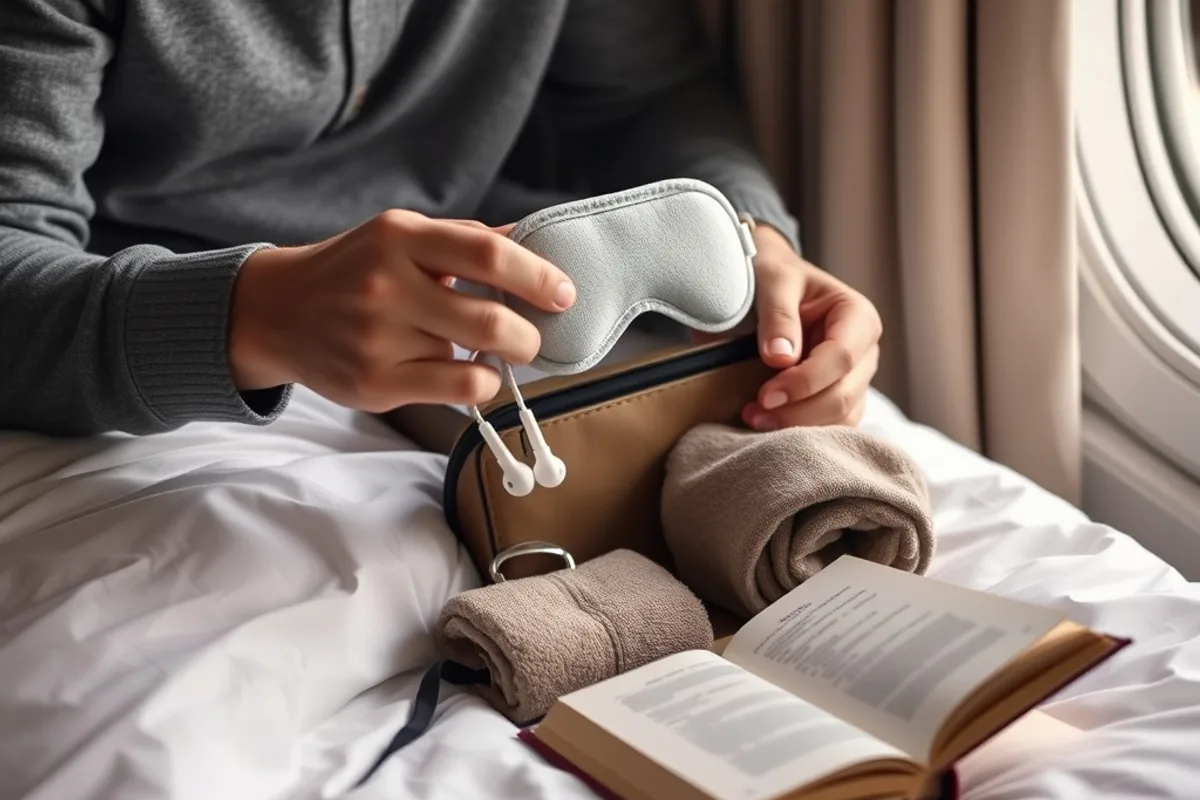
Bring foam earplugs, an eye mask and a small power strip. A white-noise app can mask street noise, but only if you have headphones or a speaker. A travel towel is useful in hostels and budget guesthouses that charge for linen.
Ask for a room away from the street and above the ground floor. Arrive early enough to change rooms if the first one smells of smoke or has no hot water. Being polite but specific at check-in solves more problems than complaining later.
The bottom line
A good budget hotel is clean, quiet and well located enough for your trip. Everything else is optional. Spend ten minutes on recent reviews and the five checks, and $60 can buy a genuinely restful night.