The Real Cost of a Cheap Flight: Baggage, Seats and Airport Transfers

A $39 fare is a starting price, not a trip cost. Add the bag, the seat, the transfer and the 4 a.m. arrival, and the comparison often changes.
Flight search engines are good at finding low fares and bad at showing what those fares include. A ticket that looks $120 cheaper than the alternative can end up costing more once a cabin bag, a checked bag, a seat and a convenient arrival time are added.
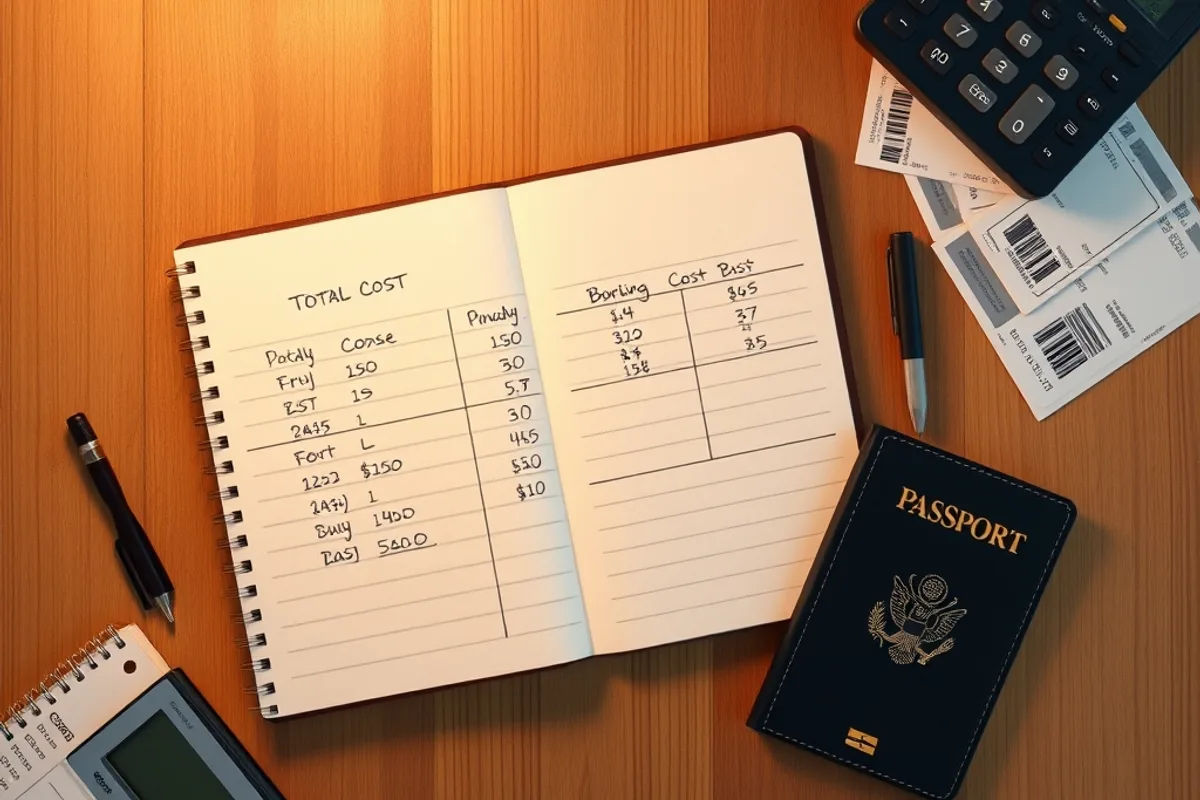
The fix is simple but boring: build a total-cost sheet before you book. It takes ten minutes and routinely changes which flight is actually cheaper.
The headline fare illusion
Low-cost carriers separate the ticket from the services. The base fare may include only a personal item that fits under the seat. Everything else — cabin bag, checked bag, seat selection, priority boarding, food — is an add-on. Full-service airlines bundle more, but their cheapest fare classes may also exclude checked bags and seat choice.
Compare like with like. Decide what you actually need before searching: one cabin bag, one checked bag, two seats together, a meal. Then price every option with those requirements included.

Baggage maths
Checked baggage is usually cheaper when bought online in advance. Airport prices can be several times higher. If you are travelling with a companion, check whether one larger checked bag is cheaper than two cabin bags. On some routes it is; on others the cabin bag is the better deal.
Weigh your bag before you leave. A cheap luggage scale costs less than an airport excess fee. Remember that liquids, power banks and medications must stay in the cabin, so a checked-bag strategy still requires a small personal item.
- Personal item only: cheapest, but restrictive for more than two nights.
- Cabin bag: good for three to five days if you pack light.
- Checked bag: usually best for longer trips or winter clothing.
- Two checked bags: compare against shipping or laundry costs on long trips.
Airport transfer costs
Secondary airports are often far from the city. A $30 cheaper fare can mean a $40 train or a $60 taxi. Check the transfer before booking, and include the return journey. Late-night arrivals may leave you with no public transport at all.
City-centre airports are usually worth a premium for short trips. For longer stays, a cheaper airport with a good rail link can be the better choice. The deciding factor is total door-to-door time and cost, not the airport code.
A 6 a.m. departure usually means a 3 a.m. wake-up. If you need a hotel near the airport to make it, that hotel is part of the fare.

Time and comfort have a price
Assign a value to your time. A cheaper flight with a six-hour layover may cost less in cash and more in holiday hours. Overnight layovers can save a hotel night, but only if you can actually sleep in an airport.
Seat selection matters more on long flights. If the airline charges for seats, decide whether sitting together is worth the fee. On a short hop, it usually is not. On a red-eye, a window seat and a working neck pillow are worth more than the saving.

A total-cost sheet that works
List each flight option with these columns: base fare, taxes and fees, cabin bag, checked bag, seat selection, airport transfer both ways, extra hotel night if needed, and meals. Add a rough value for time and inconvenience. The lowest total is the real cheapest option.
Book directly with the airline when the price is close. Third-party agencies can be cheaper, but changes and refunds become harder. If you do use an agency, pay with a credit card and confirm the booking with the airline before you rely on it.
The bottom line
Cheap flights are real, but the fare is only the first line of the bill. Price the bag, the seat, the transfer and the schedule before you commit. The extra ten minutes of arithmetic is the best return on investment in budget travel.