Patagonia on a Weather Budget: Planning Around Wind, Rain and Luck
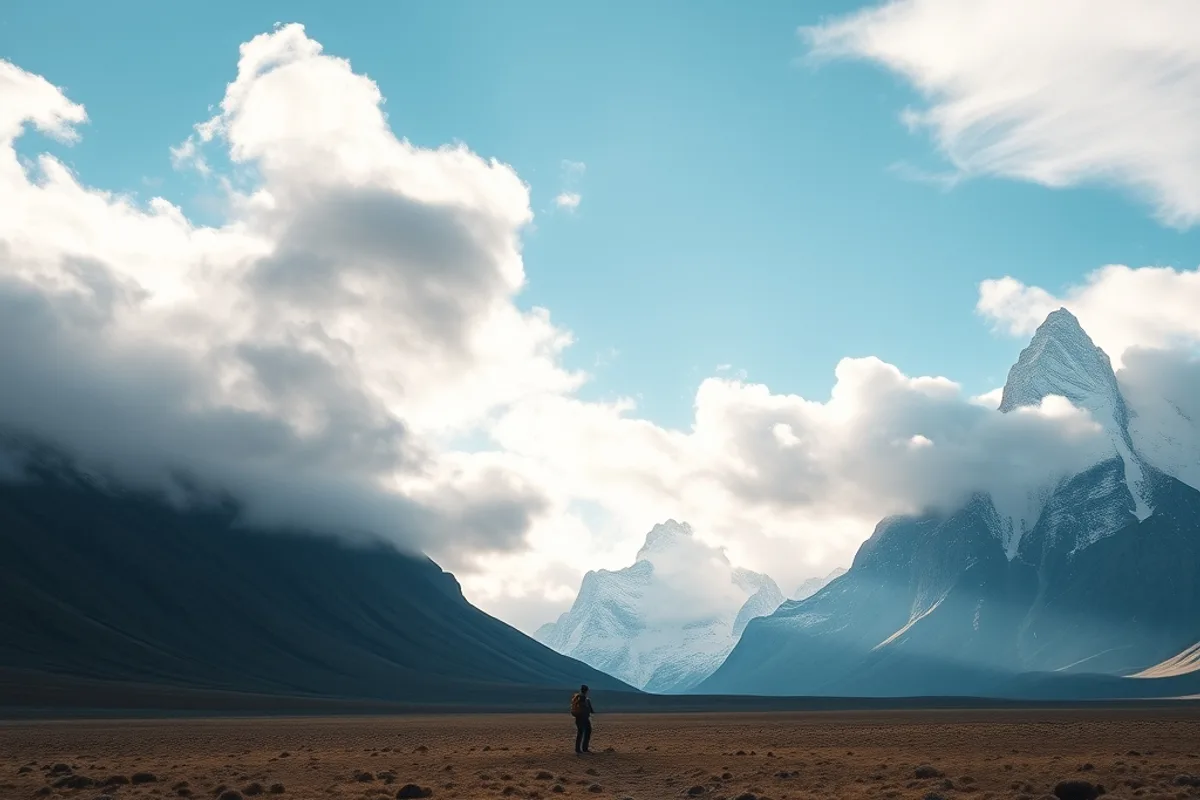
Patagonia does not reward a tightly packed itinerary. It rewards buffer days, layered clothing and the willingness to change plans at breakfast.
Patagonia is sold in photographs of blue glacial lakes and granite spires. The same places also deliver horizontal rain, 100 km/h gusts and a temperature drop of fifteen degrees in an hour. Neither picture is false. The mistake is planning as if the first one is the default.
A good Patagonia itinerary is not a list of sights. It is a sequence of decisions with room to move. The travellers who enjoy it most are not the fittest or the best equipped; they are the ones who built slack into the booking.
The weather reality
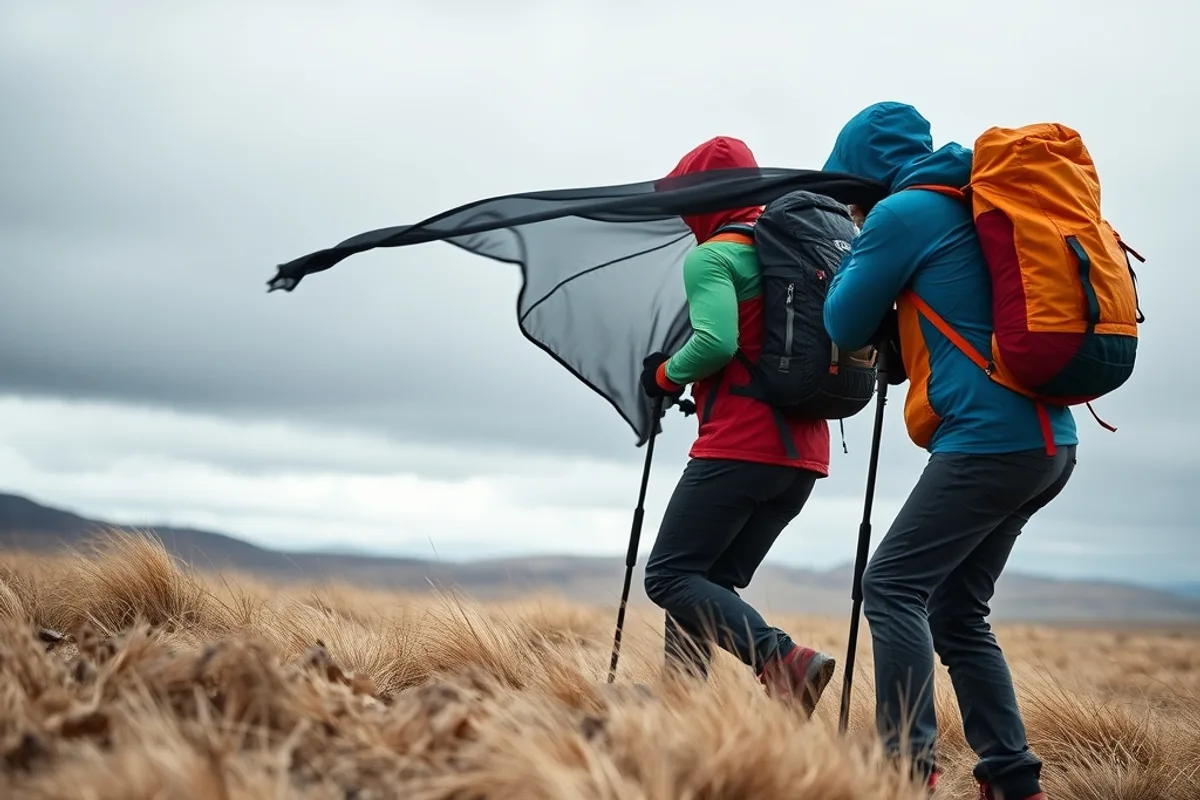
Patagonian weather is driven by the Southern Westerlies, a belt of persistent westerly wind that hits the Andes and dumps moisture on the Chilean side. Argentine Patagonia is drier but windier. In practice this means the same week can be a heatwave in one valley and a snow flurry in the next.
Season matters more than any forecast. November to March is the trekking window, with December and January the busiest. Shoulder months bring fewer people, lower prices and more closed services. Wind is strongest from November to January; rain on the Chilean side is a year-round feature.
Building buffer days into the route
Plan for two spare days in a ten-day trip. Put one buffer in the middle, between trekking sections, and one before your international departure. Use them for weather, transport delays or simply rest. If the weather is perfect, spend them on a bonus day hike rather than moving to a new town.
Anchor the trip around two bases rather than five. Torres del Paine and El Chalten are the classic pair; adding more towns increases transfer time and the number of bookings that can break. A route with fewer moves is more resilient and usually cheaper.
Choosing transport that bends
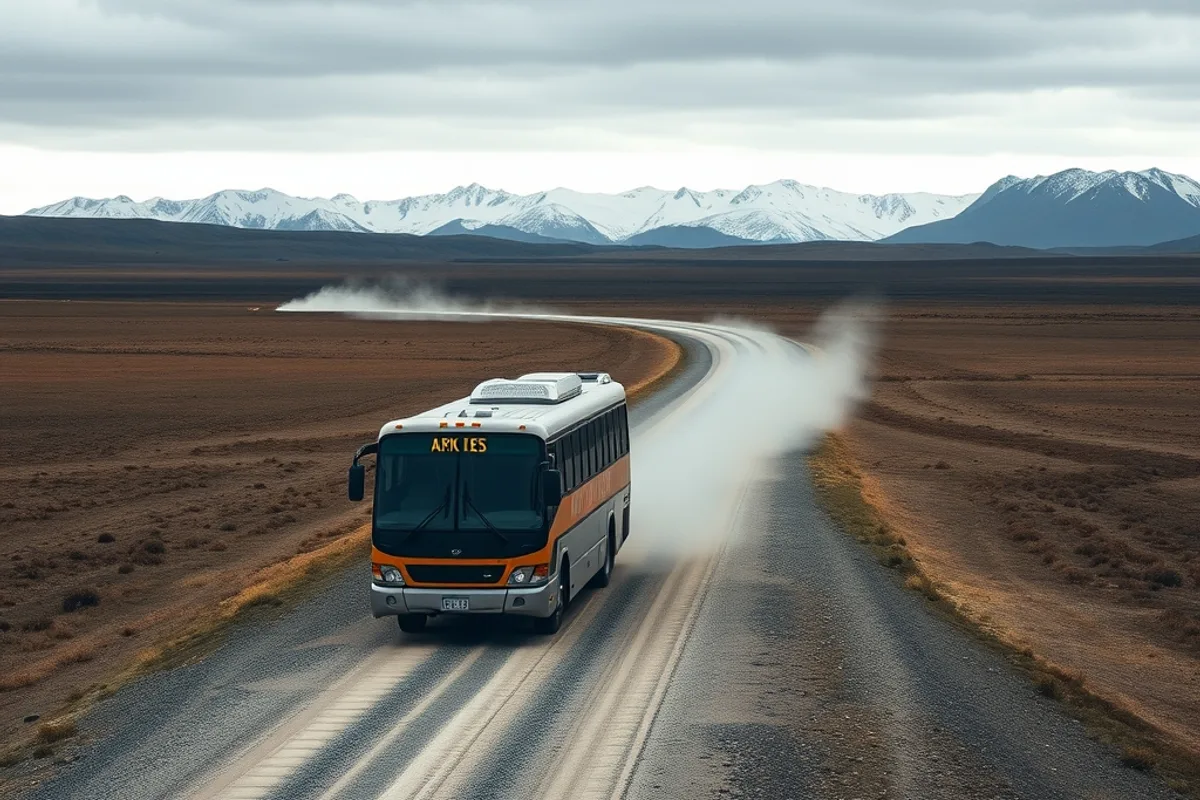
Long-distance buses in Patagonia are comfortable and reliable, but they can be delayed by wind, snow or road closures. Book flexible fares where available and avoid tight same-day connections to flights. Domestic flights are efficient but have limited baggage allowances and are frequently affected by wind.
Rental cars give freedom but come with crosswind risk and gravel-road insurance exclusions. Read the policy carefully: many standard policies exclude damage on unpaved roads, which is exactly where many trailheads are. If you rent, photograph the car thoroughly and keep fuel above half a tank; distances between stations are long.
Never schedule a trek to end the day before your flight home. Give yourself at least one full night in the departure city.
A clothing system, not a wardrobe
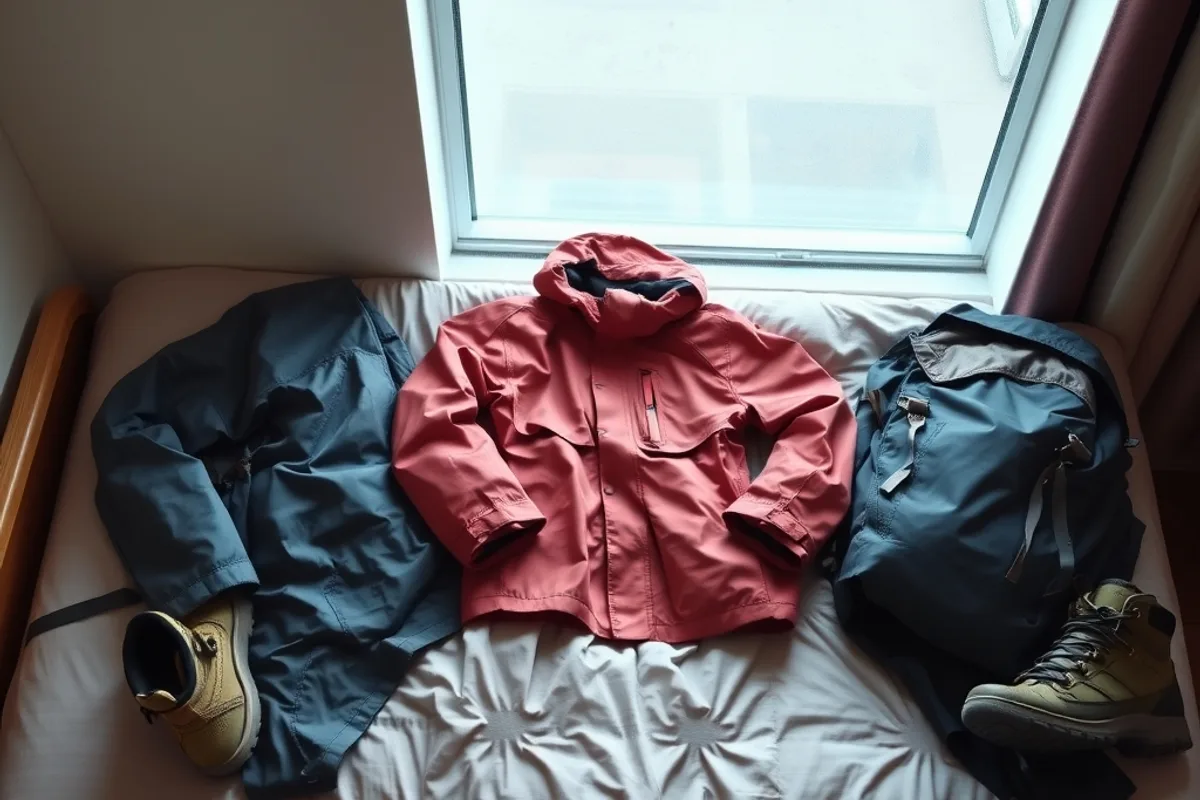
Layers work better than one heavy jacket. Start with a moisture-wicking base, add a fleece or synthetic mid-layer, and finish with a waterproof, windproof shell. Gloves, a buff and a warm hat matter more than a second pair of trousers. Waterproof over-trousers are worth the weight on any exposed walk.
Footwear should be broken in before you arrive. Blisters are the most common reason a Patagonia itinerary collapses. Carry blister plasters, tape and a spare pair of socks. Trekking poles reduce strain on windy descents and help with river crossings.
When to cut your losses
Set decision rules before you leave. For example: if wind gusts exceed 70 km/h, skip the exposed ridge; if visibility drops below 50 metres on a glacier route, turn around; if a bus is more than four hours late, switch to the backup plan. Written rules are easier to follow when you are tired and have paid for a permit.
Park rangers and local guides are the best source of current conditions. Ask at the visitor centre each morning, and do not treat a social media post from last week as a conditions report.
The bottom line
Patagonia rewards patience and penalises tightly packed plans. Two buffer days, two bases, flexible transport and a proper layering system will do more for your trip than any single piece of gear. Go for the landscape, but plan for the wind.