How to Build a Travel Itinerary That Survives a Delayed Flight
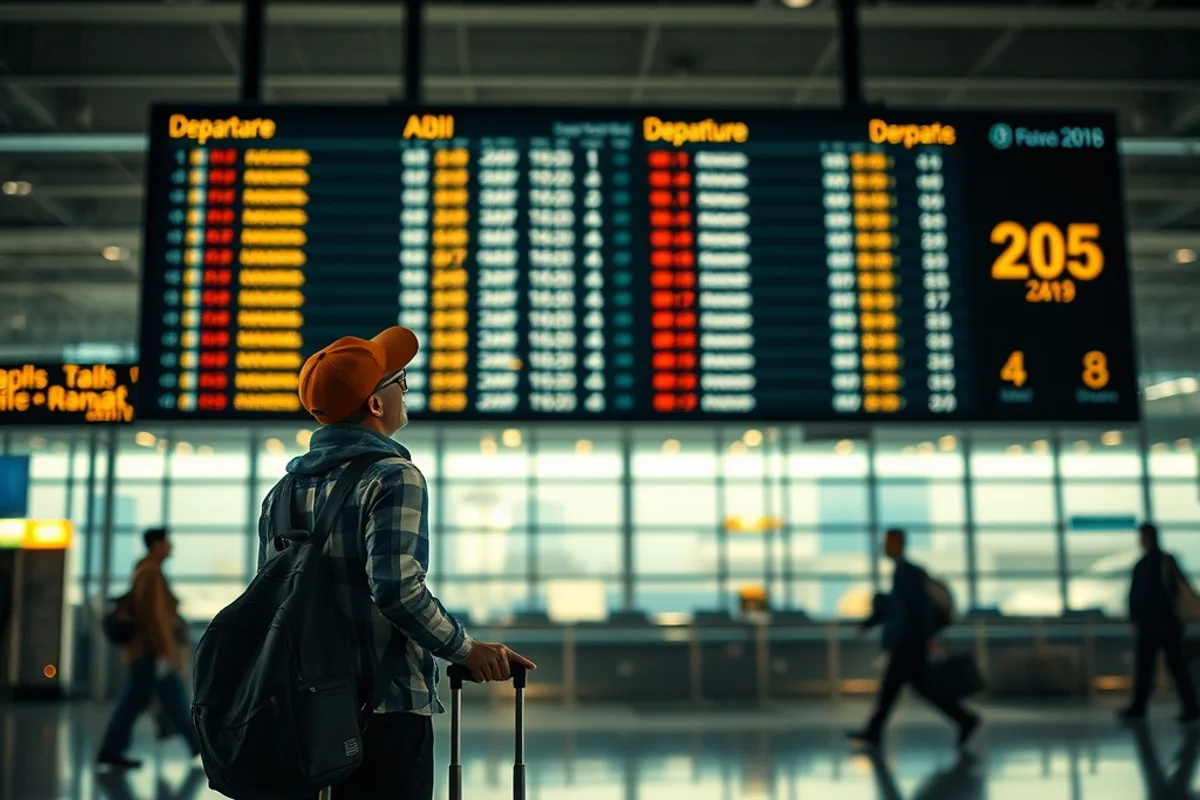
Most itineraries fail at the seams: the transfer, the check-in, the one fixed reservation. Build slack at the seams and a delayed flight becomes an inconvenience, not a disaster.
An itinerary is a chain of dependencies. The flight depends on the transfer, the transfer depends on baggage, the hotel depends on arrival time, and the tour depends on the hotel. Most trip failures happen at those links, not at the attractions themselves.
Resilient itineraries are not vague. They are specific about the things that matter and deliberately loose about the things that do not. Here is how to build one.
Plan the seams, not the sights
List every fixed commitment: flights, trains, tours, restaurant reservations, check-in deadlines. Then examine the gaps between them. Any gap under two hours on an international arrival is fragile. Any same-day connection between a flight and a prepaid tour is risky.
Group activities by neighbourhood so that a delay costs you one afternoon rather than a cross-city trek. Leave the first evening after a long flight empty. A gentle walk and an early dinner is a better start than a timed museum slot.
Realistic transfer times
Add time for the things that always take longer than expected: immigration, baggage claim, finding the right platform, buying a ticket, walking to the hotel. Use these rough minimums and add 30% if you are unfamiliar with the city:
- International arrival to city centre: 90 minutes.
- Domestic arrival to city centre: 60 minutes.
- Train station to hotel: 30 minutes.
- Hotel to airport for an international flight: 3 hours before departure.
These are not worst-case figures; they are ordinary ones. If your plan only works when everything is on time, it is not a plan.
Bookings that bend
Choose refundable or changeable rates for the first and last nights. These are the nights most affected by transport problems. For tours, prefer operators with clear cancellation policies and avoid prepaying for anything that starts within a few hours of a flight.
Use a credit card for bookings; it provides dispute rights if a provider fails to deliver. Keep confirmation numbers in one place, and forward them to an email you can access offline. Screenshots are useful, but a searchable inbox is better.
Book the first night and the last night flexibly. Everything in between can usually be rearranged.
A backup for each day
For every day, write one indoor and one outdoor alternative. If the main plan is a hike, the backup might be a museum and a long lunch. If the main plan is a museum, the backup might be a market walk. This prevents the paralysis that comes with a sudden change.
Check opening days in advance. Many museums close on Mondays, and some restaurants close on Sundays. A backup that is also closed is not a backup.

What to keep offline
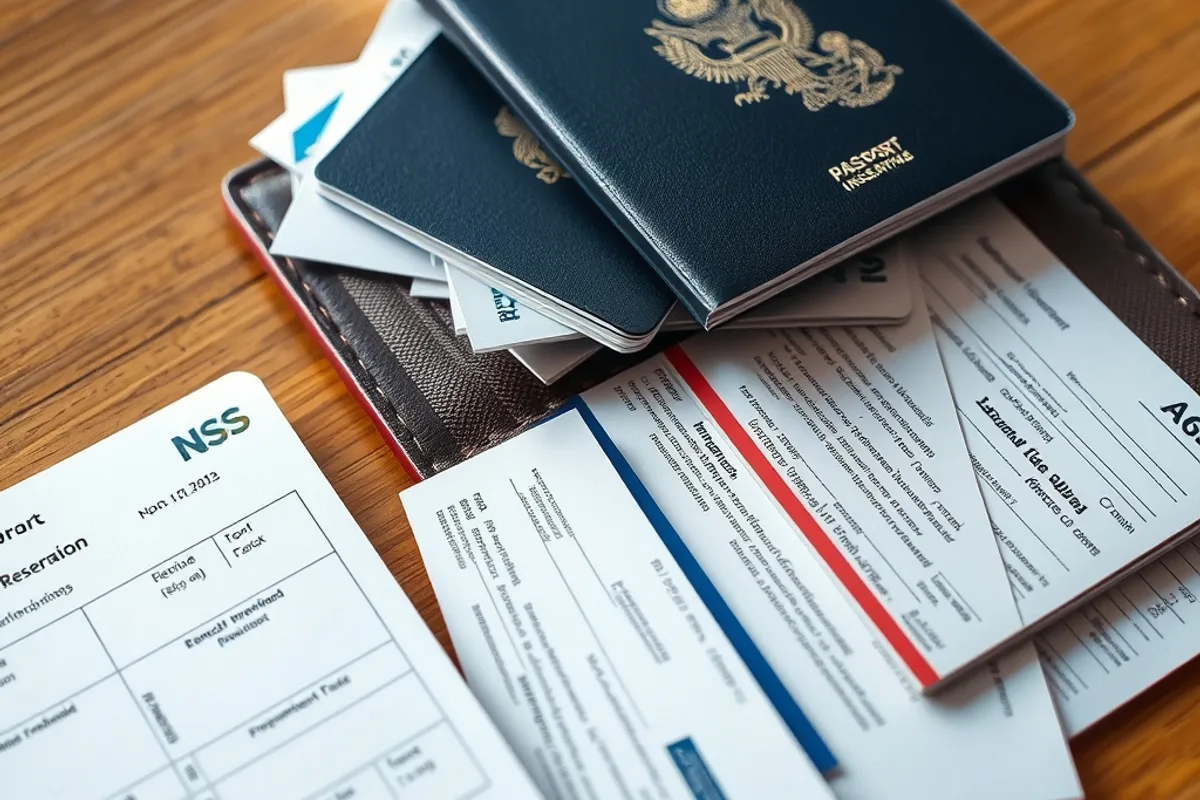
Download maps, tickets, insurance documents and hotel addresses before you travel. Keep a printed copy of the most important reservation and the emergency contact number. Save the airline app and enable notifications; gate changes often appear there before the departure board.
Share your itinerary with someone at home, including flight numbers and hotel addresses. It is a small habit with a large payoff if something goes wrong.
The bottom line
A resilient itinerary is built from realistic gaps, flexible bookings and written backups. You do not need to plan for disaster; you just need a plan that can absorb an ordinary delay. That is the difference between a stressful trip and a manageable one.